Overview
Compromised accounts cost financial institutions billions of dollars a year in unauthorized transactions and account related fraud. Airlines lose significant revenue to fraudulent ticket purchases, and retailers face widespread loyalty fraud and resold gift cards. Automated, bot driven takeovers add to the problem, driving costly credential stuffing attacks that inflate operational costs and strain security budgets.
The list goes on, and account takeover attacks continue to rise, with seasonal spikes and credential stuffing campaigns contributing.
With account takeover attacks growing in complexity and diversity, businesses need dedicated account takeover solutions that go beyond reactive measures like fraud alerts for suspicious logins.
What are account takeover solutions?
Account takeover (ATO) solutions are purpose built anti-fraud tools for preventing, detecting, and mitigating unauthorized access to customer accounts. To assess whether an account session is legitimate, these platforms correlate multiple risk signals, such as device fingerprints, IP reputation, login velocity, and behavioral anomalies.
Some solutions focus on post-login defense. They monitor for session anomalies, unusual account behavior, and unauthorized device access. Others look at pre-attack reconnaissance, before the account itself is compromised, such as impersonating site setups, credential harvesting campaigns, and credential stuffing attacks based on lists of stolen credentials. These earlier stage solutions are designed to help stop fraud before it reaches customers.
Businesses generally need a combination of ATO tools that complement each other, incorporated into a broader fraud mitigation strategy.
Why you need an account takeover solution
Lowering fraud reimbursements. Account takeover fraud often leads to costly customer reimbursements. By proactively detecting and preventing ATO attacks, businesses can help reduce these payouts, supporting both profit margins and customer satisfaction.
Maintaining regulatory compliance. Account takeover incidents expose businesses to financial loss and regulatory scrutiny. Privacy and security standards like GDPR, CCPA, and PSD2 call for robust protection of customer data and financial assets. An effective ATO solution can support compliance efforts and help reduce exposure to penalties and reputational damage.
Lowering customer support costs. ATO solutions can lower customer support costs, largely by decreasing the number of incidents that need to be handled. Fewer compromised accounts reduce the need for manual account recovery and cut down on password resets and identity verification requests, easing the load on customer service teams.
Reducing customer attrition. Beyond fraud prevention, ATO solutions help preserve customer trust and engagement. When users experience an account takeover, some may not return. A stolen balance, misused subscription, or hijacked loyalty program can push customers toward competitors. Strong account security supports both loss prevention and confidence in digital services.
Key features to look for in account takeover solutions
Real time threat detection. Many ATO defenses react primarily after an attack begins, but some solutions are designed to identify threats earlier. For example, some platforms can detect spoofed websites in real time, alerting a team when a site is cloned so they can act sooner and help reduce the number of customers who enter details on fake sites.
Earlier visibility into an ATO attempt is valuable because attackers increasingly use automated tools, credential stuffing botnets, and real time phishing kits to try to access customer accounts.
Device fingerprinting. Once an account is compromised, fraudsters use different techniques to blend in as legitimate users. Device fingerprinting features help distinguish between a real returning customer and an attacker using a fresh browser session or a residential proxy to mask their identity.
These solutions track browser characteristics, installed plugins, operating system details, and device signatures to detect inconsistencies. For example, if an account that usually logs in from a specific Windows machine suddenly appears from a headless browser running on a cloud server, an ATO solution can flag the session as higher risk even if the credentials and IP address seem normal.
Credential stuffing prevention and dark web monitoring. Many large scale ATO attacks are bot driven, with attackers using automated credential stuffing tools to test large volumes of username and password combinations. Look for ATO tools with credential stuffing prevention features, especially those designed to flag suspicious login attempts earlier in the login flow rather than waiting to analyze successful logins that reach your servers.
Some solutions also incorporate dark web intelligence into their risk assessment models. If an employee’s or customer’s credentials appear in a breach dump, the system can support a forced password reset before an attacker attempts to exploit them, helping limit the window of opportunity for fraud.
Categories of account takeover solutions to evaluate
Account takeover solutions generally fall into a few categories, each addressing a different part of the problem. Many organizations combine more than one to build a layered defense.
Network wide fraud intelligence platforms. These solutions analyze transactions and account activity across many merchants to detect unusual patterns. Because they can draw on cross-merchant visibility into fraud rings, device farms, and repeat offenders, they are well suited to large e-commerce businesses that need network-wide fraud intelligence to help address repeat ATO activity across multiple retailers.
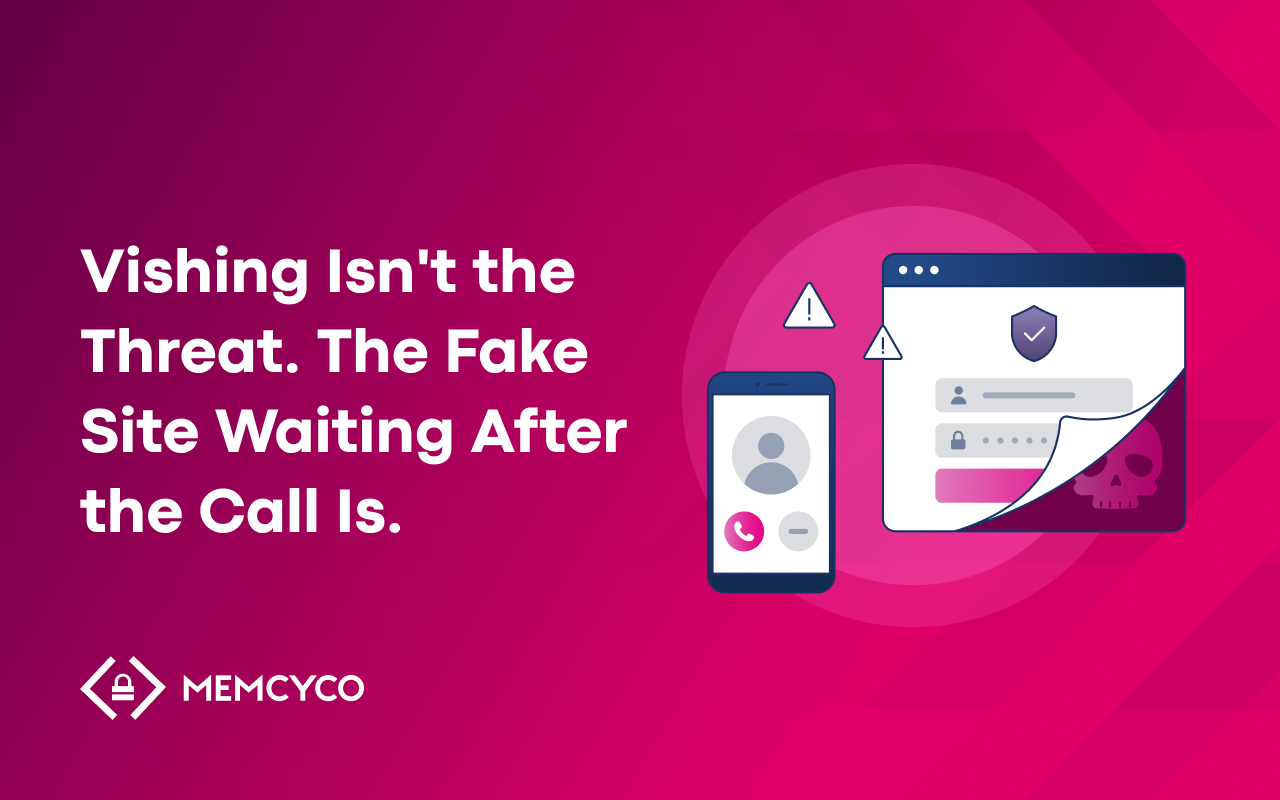
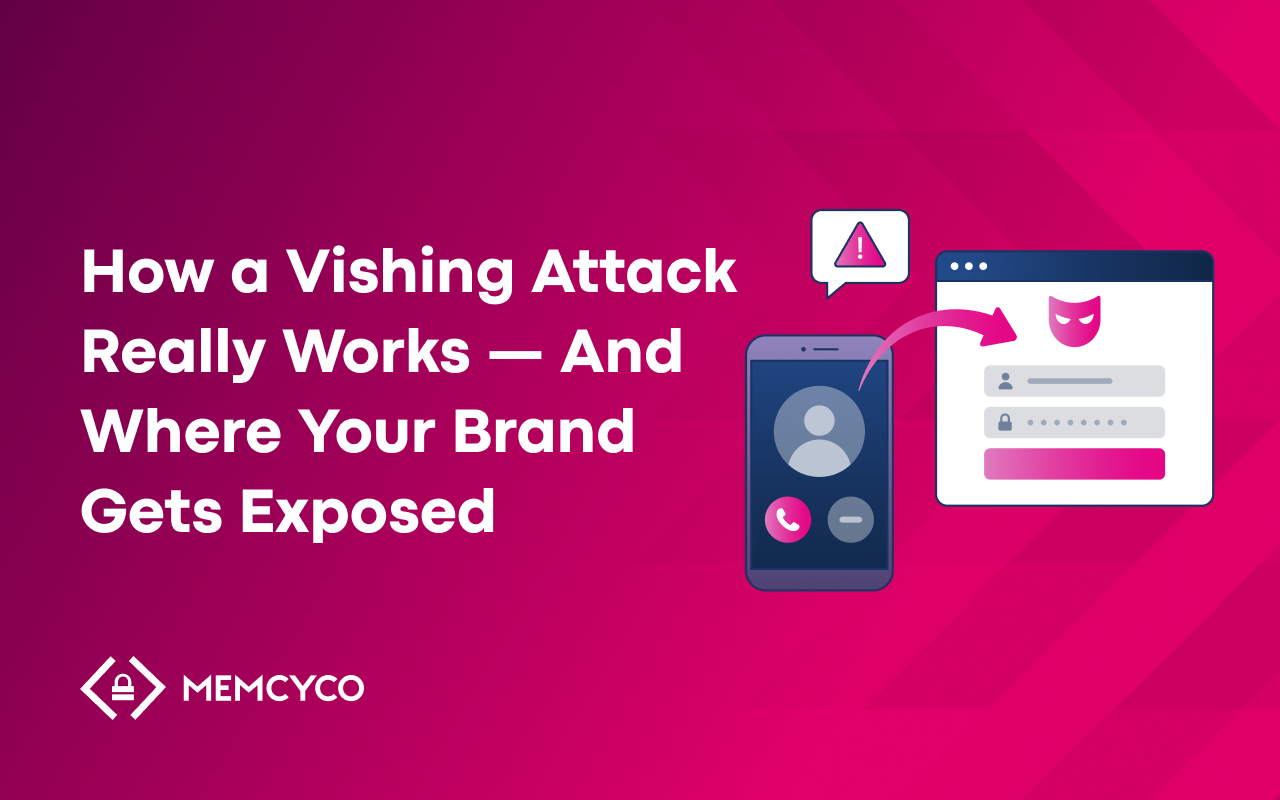
Preemptive impersonation and phishing detection platforms. Memcyco takes a preemptive approach to ATO, helping teams see impersonation activity before attackers attempt account access, rather than waiting until fraudsters attempt a login. This includes visibility into pre-attack activity such as phishing site setups, where fraudsters create copycat versions of a company’s site to try to lure customers.
Where deployed, Memcyco is designed to help teams respond if customers interact with an impersonating site. If users visit a detected fraudulent site, Memcyco can warn them and, where deployed, help reduce the value of harvested credentials to attackers. The platform is designed to deploy without end-user installation across the customer facing channels teams need to protect.
Best for: banks, eCommerce, and high-risk industries that want earlier visibility into impersonation attacks targeting their customers.
Identity based risk scoring platforms. These solutions lean on phone intelligence, behavioral biometrics, and real-time risk scoring to help detect fraudulent access attempts, analyzing login attempts, password resets, and session activity against device reputation, network trust, and location consistency. They typically support adaptive authentication workflows so step-up security can be applied when needed, which suits businesses that rely on phone-based authentication and want stronger protection against SIM swap fraud and MFA bypass attempts.
Passwordless and device bound authentication platforms. Instead of relying on credentials that can be stolen, phished, or brute forced, these platforms use passwordless authentication with cryptographic key pairs stored on a user’s device. Even if an attacker obtains a username, there is no password to compromise, and continuous identity verification extends protection beyond the initial login. This approach suits companies looking to move away from passwords and toward device-bound authentication.
Real time e-commerce decisioning platforms. These platforms focus on real time decision making for e-commerce ATO threats, using risk scoring and behavioral analytics to help flag fraudulent logins before checkout. They typically look at device fingerprint mismatches and behavioral deviations to flag login attempts that do not align with a user’s usual purchasing habits, which is useful for retailers and online marketplaces that need fraud prevention at both the login and transaction level.
Adaptive multi-factor authentication platforms. Built for enterprise identity security, these platforms offer context-aware authentication policies to help detect and block ATO attempts. Rather than relying on static rules, they continuously assess risk factors like IP reputation, geo-velocity, and device integrity before allowing access, and can enforce step-up verification such as biometric authentication when an attempt looks suspicious. This category suits organizations that need scalable, adaptive authentication to help prevent account takeovers without adding unnecessary friction.
Web application and bot mitigation platforms. These solutions specialize in bot driven ATO detection and credential stuffing prevention as part of a broader web application security stack, analyzing high volume login attempts, automation patterns, and dark web credential reuse. Many also include a web application firewall to help block malicious traffic and automated attacks before they reach user accounts, which fits businesses dealing with large scale credential stuffing that need bot mitigation and dark web monitoring.
Choosing the right ATO solution
Account takeover protection can work better when it is specialized and proactive, not an afterthought layered on top of existing logins. A strong ATO toolset generally combines pre-attack intelligence, real-time action, and alternative authentication methods such as passwordless or step-up verification.
Memcyco adds earlier context to existing fraud tools by detecting phishing sites impersonating a business and alerting the team, which can help reduce the damage caused when customers enter their details on the wrong site, a common starting point for ATO attacks. If users visit a detected fraudulent site, Memcyco can warn them and, where deployed, help reduce the value of harvested credentials to attackers.
Reviewing evaluation criteria for account takeover fraud solutions alongside existing controls like MFA and behavioral analytics can help identify where an additional layer of pre-attack visibility, such as brand impersonation detection, fits into the broader stack.

Ran Arad is Director of Product Marketing at Memcyco, where he focuses on account takeover protection, phishing infrastructure, and digital impersonation attacks. He writes about emerging fraud tactics, attacker infrastructure, and how organizations can detect and disrupt impersonation campaigns before customer accounts are compromised.